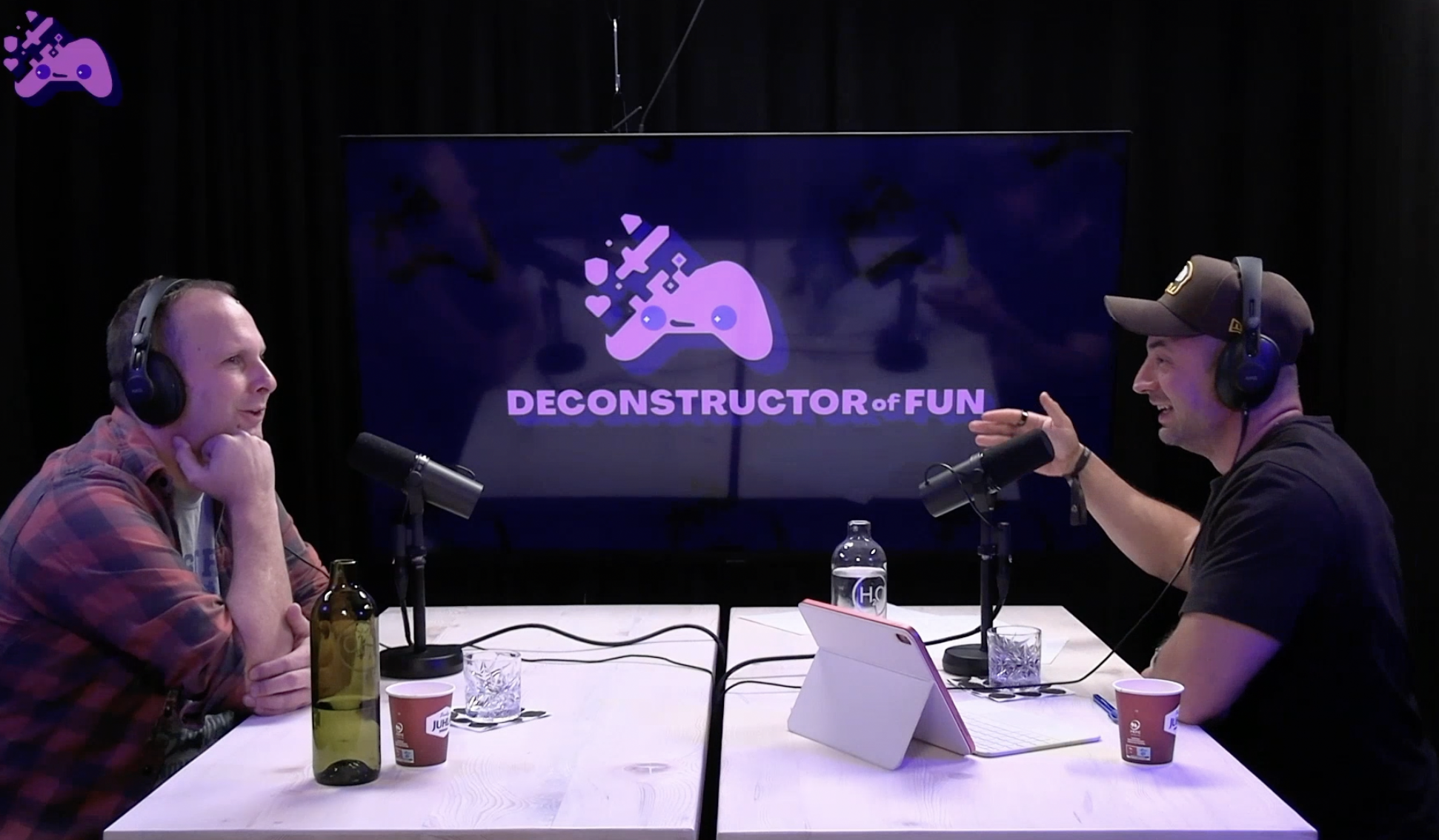
From Space Ape to Duolingo via Supercell: Simon Hade on Building, Pivoting, and the Price of Being a Founder
In our latest podcast, Simon Hade takes us through one of the most instructive journeys in modern game development, from co-founding Space Ape with a battle-tested Playfish team, through Supercell's acquisition and the subsequent genre experimentation years, to the complexities of spinning out NextBeat out of Supercell, and finally landing at Duolingo, where he discovered engagement metrics that make gaming's best numbers look quaint.
The Startup Cheat Code: a Ready-Made Team
Space Ape's founding story offers a masterclass in team assembly. Simon and his co-founders had something most studios spend years trying to build: a complete team that had already shipped hits together at Playfish and EA.
"In a startup, hiring 10 good people who work well together is harder than raising millions or making a hit game," Simon explains. He calls it "the rarest startup cheat code" and still prioritizes bringing in people who've worked together before whenever possible.
Their early strategy was equally pragmatic. Space Ape deliberately copied Clash of Clans, which freed up resources to innovate where it mattered most: live ops for competitive players and early Unity adoption to beat Supercell to Android. The approach worked, Samurai Siege and Rival Kingdoms found their audiences, and Transformers Earth Wars eventually generated $150m lifetime revenue.
The Supercell Years: 25 (Games) Hard Lessons
When Supercell acquired Space Ape, the vision was clear: become their genre-experimentation studio. Over five years, the team produced 25 games across nine genres: puzzles, music, MOBAs, RPGs, shooters, and racing.
Simon describes building a culture of pivoting, though the podcast reveals the tension inherent in that mandate. None of those 25 games met Supercell's bar for global launch. The eventual pivot toward fewer, more focused projects delivered commercial successes: Beatstar ($200m lifetime), Chrome Valley ($50m in year one), Transformers Earth Wars ($150m lifetime).
But "commercially meaningful to Supercell" is a different bar entirely. Space Ape ultimately morphed into Supercell London, and the games were divested, including Beatstar, into what became NextBeat.
The Price of Being a Founder: NextBeat's Complexity
The NextBeat spinout attempt offers a sobering look at founder reality. Music games had potential, but didn't align with Supercell's long-term direction. A management buyout seemed logical.
What followed was six months of navigating 72 stakeholders across labels, publishers, and investors. Simon is frank about the grinding complexity:
"No single event killed the NextBeat spinout. It was the gradual realisation of how hard it would be. And the harder it got, the more attractive the Duolingo option became."
I characterize it as "death by a thousand paper cuts," and Simon doesn't disagree. The business practicalities around music licensing, stakeholder alignment, and the sheer operational burden became overwhelming. This is the founder tax that doesn't make it into the success stories, the compounding weight of complexity that can make even promising ventures feel impossible.
Duolingo's Engagement: "Almost Impossible to Comprehend"
Simon had informal collaboration with Duolingo's music team for years, but initially couldn't imagine how a games team would fit. Then he saw the numbers.
Duolingo's 50 million DAU impressed him, a massive jump from the 10.1 million they reported at IPO in 2021. But the streak data was the real revelation: over 10 million people with 365+ day streaks.
"The best games pop champagne when 20% of DAU has a 7-day streak, that's incredibly rare. But Duolingo has over 10 million people with a 365-day streak! A 10M DAU game is huge, but a 10M daily habit? That's almost impossible to comprehend if you come from games."
Simon literally asked the analyst to re-run the query, assuming it was a bug.
The secret? Duolingo runs hundreds of A/B tests weekly, more than 6,000 in the past year. Simon calls it "relentless Green Machining" that drives tens of millions of DAU growth from thousands of tiny improvements. The obsession with detail comes from the top, and it compounds.
The moment Simon's hesitation dissolved came during a Chess product review.
"It felt like a Clash Royale design review. PvP matchmaking debates, progression visuals, it was all familiar. That was the moment I realised Duolingo has gaming-style autonomy inside a massive growth machine."
Philosophical Musing: What This Means for Games
Simon's journey raises fundamental questions about where gaming-quality engagement lives today. Apps versus games, something I’ve talked about since 2023. What players expect now versus then. What modern users demand that most game studios haven't internalized.
The full conversation covers these themes in depth, along with the realities of operating as a founder inside a corporate giant, the allure of new projects versus sticking with existing ones, and what habits success unleashes.
Listen to the full podcast to hear Simon's complete story and his perspective on what Duolingo understands about modern users that most game studios don't.
This content is based on our conversation with Simon Hade, former founder of Space Ape (acquired by Supercell) and NextBeat (acquired by Duolingo).