Hard Truths About Co-Founders, Capital, and Competition
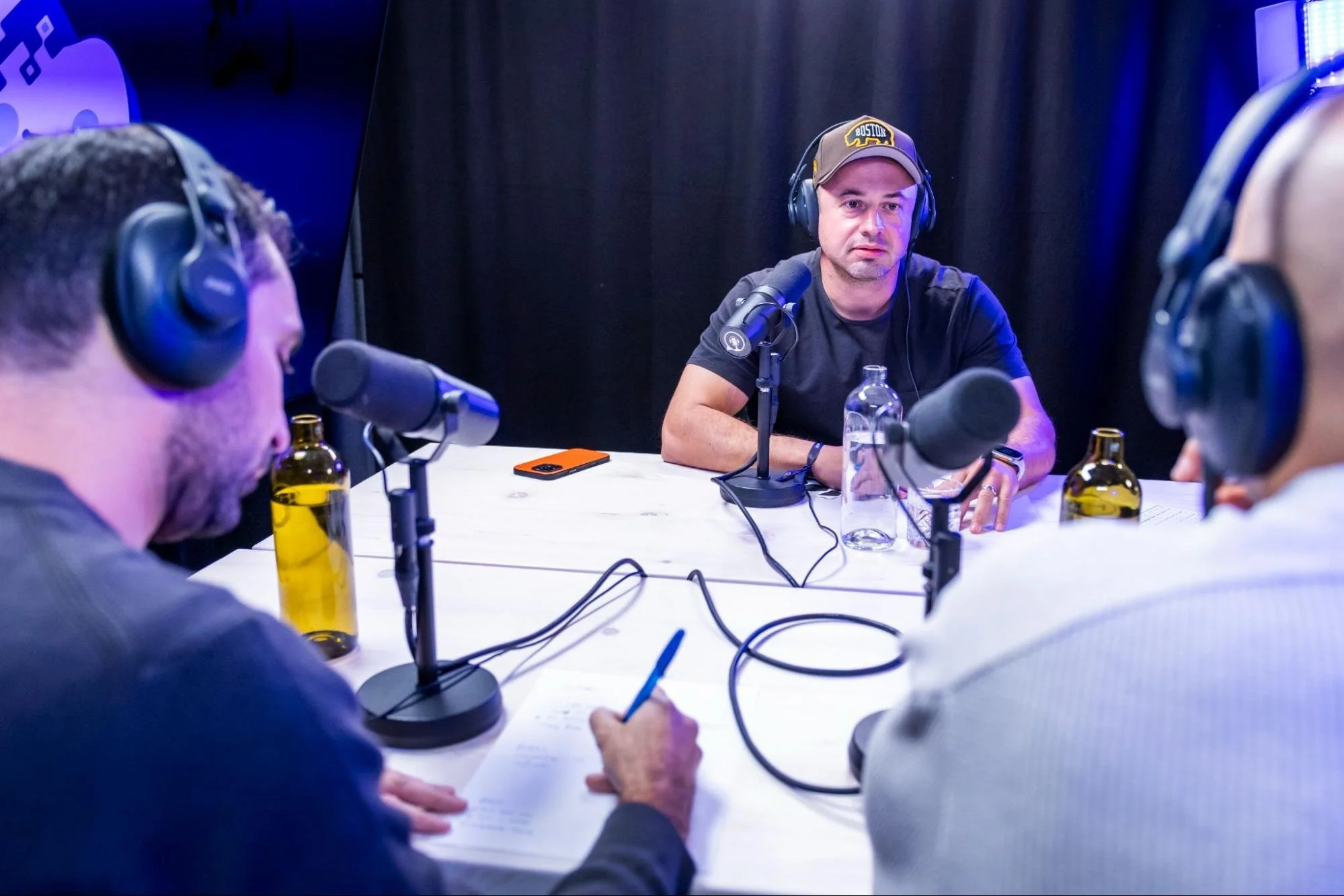
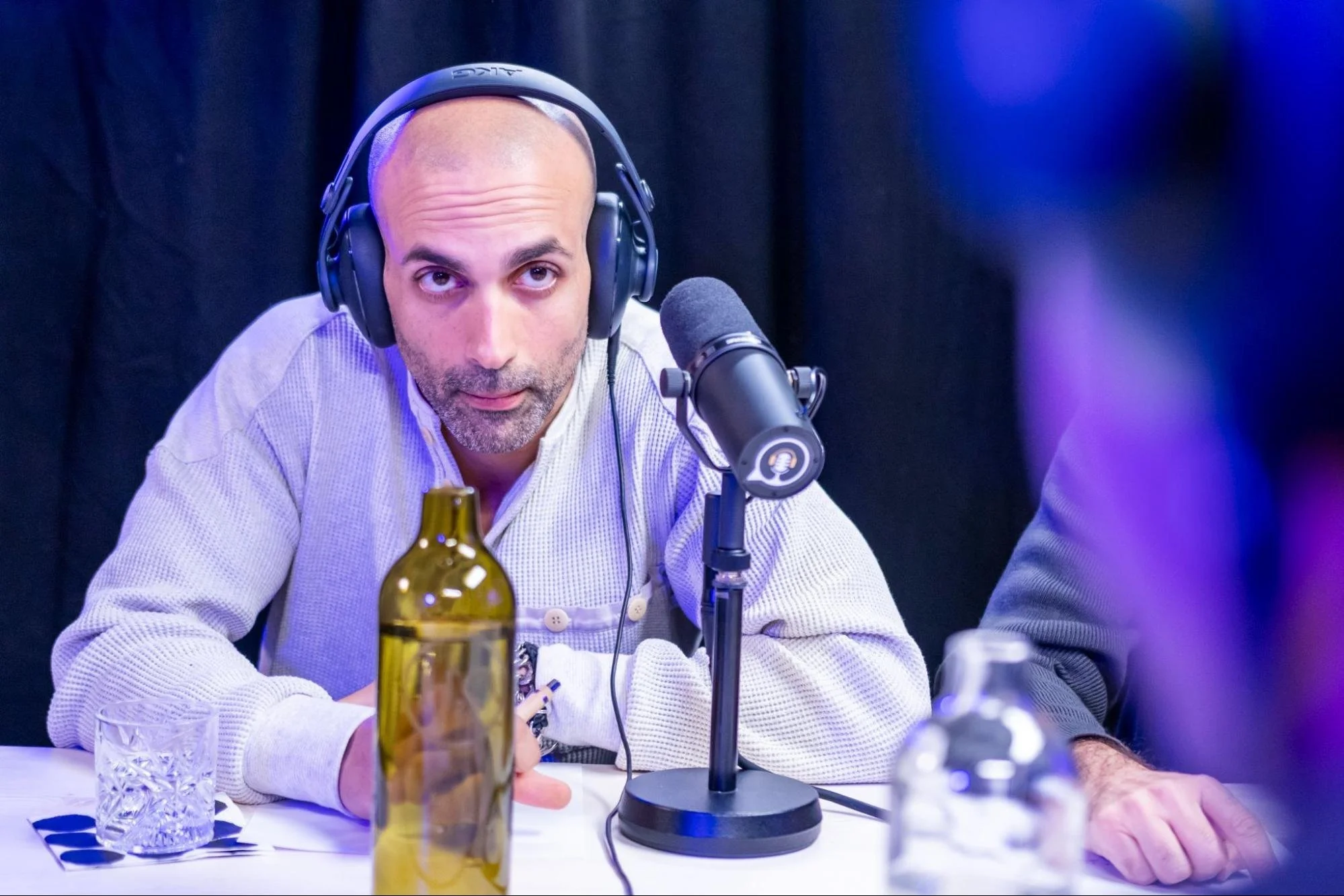
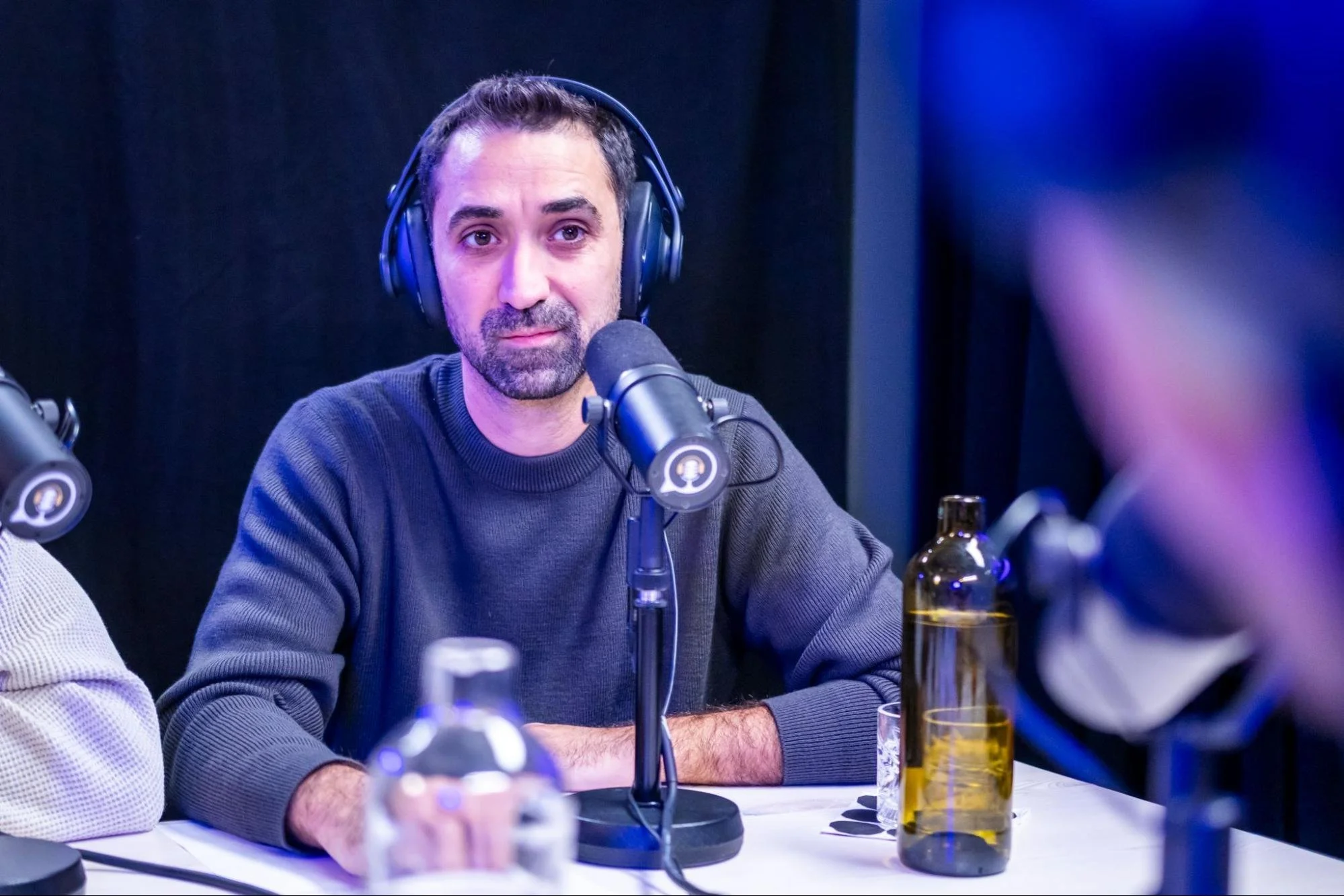
On a frigid December morning during Slush 2025 in Helsinki, I sat down with Maor Sason and Roei Barassi, the co-founders of AppCharge, over breakfast before our podcast recording. The first question the founders asked me was "What are we not doing right? Where can we be better?"
That’s not the type of question you’d expect founders steering their company into explosive growth would be asking first. And yet this combination of unwavering belief with the willingness to question everything, even amid success, defines them more than the victories themselves.
AppCharge, the direct-to-consumer monetization platform powering over half a billion dollars in annual transactions for top gaming studios, has become a case study in hypergrowth.
From humble beginnings in 2022 to nearly 120 employees across seven global locations, the founders shared with raw honesty the brutal realities beneath the success.
The "Overnight Success" That Took Three Years
AppCharge's funding story looks like a fantasy: consecutive rounds raised seven months apart, top-tier investors, unstoppable momentum. Reality? Three years of grinding before anything caught fire.
Their first attempt at raising Series A? Complete failure. Nothing but nos.. Instead of pushing forward, they paused, rebuilt their numbers, strengthened their team, and came back prepared.
The formula that worked: Team, TAM, velocity, and timing. But Maor cut deeper:
"Top-tier VCs are smart people. You're opening the kimono. They want to see how big the market is, where you are in the race, and if you're gonna be the winner."
Their proof? One major client had built an in-house solution with 35+ people over several years. AppCharge begged for a POC opportunity, then delivered a web store that was 2x more successful at a lower cost. Within a year: 3x the results.
The contrarian advice: Close your lead investor before starting the round. Mark your targets, identify your dream investor, then build specifically for them. And critically, don't raise too early. Overcoming an initial rejection is brutally hard.
Payments in a Commodity. What’s Your Moat?
New webshop providers emerge monthly. Everyone claims they can "do payments." So what's AppCharge's moat?
"People think web stores are just landing pages," Maor explained. "Industry professionals know better; it's almost like building another game on the web. It's complicated."
The real competitive advantage isn't technology alone; it's e-commerce expertise combined with engineering and product power delivered with exceptional service quality. AppCharge has top-tier engineers working full-time on this as their core business. For companies where it's not the core? The gap becomes insurmountable.
"Many teams don't account for what they could have done instead," Maor noted. What could those 15+ engineers have built for the games and core tech rather than maintaining the web store infrastructure?
When it comes to competition against other vendors, it comes down to being a long-term partner they can trust. When Appcharge delivers on promises and shows better performance at lower cost, the decision becomes obvious. A strategy is simple in theory but hard in practice. Just like growing a game through live ops.
The Brutal Reality Behind the Success
The most revealing part of our conversation wasn't about fundraising or competition; it was about what it actually costs to build hypergrowth.
Roei has two young daughters. Maor is single and admittedly obsessed. This asymmetry could destroy most partnerships. Instead, it reveals something deeper about founder dynamics.
They've been best friends for over a decade.
"That's the starting point for everything," Roei emphasized. But friendship doesn't eliminate conflict. The first year was brutal. "We had to learn how to work together. How to have conflicts, and which people we bring in. It's still a learning process."
Great co-founder relationships aren't about avoiding conflict. They're about building systems to handle it productively. "We have conflicts," Roei admitted. "But we've learned to talk respectfully and make honest decisions for the company."
When I suggested Roei must struggle balancing family and startup life, Maor rejected the premise entirely:
"Obsession is a characteristic. If you're obsessed with work, you're probably obsessed with your daughters, your family. It's a trait you foster across your life."
Roei's reality is harder: "It's hard to be married to the company and be a family man at the same time." His system? Leave work 30 minutes before his daughters sleep, be fully present with them, and continue working after they're asleep. As well as giving weekends entirely to family.
It is sacrifices like these that break founders if they are not prepared. Time is something we will never get back. And when the going gets hard, and the success of the startup looks unlikely at best, it’s very hard to justify the sacrifices. That is the principal reason behind startup failure early on.
What They'd Tell Their Earlier Selves
The Takeaway: AppCharge's story looks like a rocket ship from the outside. Up close, it's two friends who spent three years laying foundations before anything caught fire, who still question everything despite success, and who've built systems to handle the brutal emotional load of hypergrowth.
Companies that succeed overnight rarely do. They just hide the years of grinding better than others. The founders who make it aren't the ones without conflict or doubt. They're the ones who've built operating systems to work through them without breaking the partnership.
As Maor put it:
"I wouldn't define it as conflict. Thoughtful disagreements are very, very healthy. We're challenging each other constantly. Sometimes it heats up. But we've learned when we're too emotional. It's like, okay, let's give it space. I'm gonna shut up. I'm gonna bring it back tomorrow."
Partnership, mutual respect, and an obsession to win are the real operating systems behind their meteoric rise.
*Disclosure: I got to meet Appcharge founders several years ago when they were early in their journey. And I was lucky to be allowed to invest in their early rounds. This has given me the chance to follow their journey, which I hope the podcast helps to transcribe.