Xbox's Endgame
I want to be fair before I say anything critical: Asha Sharma is, by any objective measure, an exceptional executive. Youngest EVP in Microsoft's history. COO at Instacart through its IPO. She has built platforms at scale and delivered results at every stop. None of what follows is a knock on her ability.
But ability isn't the question. Fit is. And the more I sit with this appointment, the more I think Microsoft just made a structurally costly mistake, not because of who Sharma is, but because of what Xbox actually needs right now and why she was almost certainly not hired to deliver it.
The 8% Problem

To understand this decision, you have to start with the math. Xbox content and services generate roughly $6–8 billion annually inside a company doing north of $240 billion in total revenue. That's about 8% of Microsoft, and also one of its worst-performing segments, at precisely the moment when Azure and Copilot are the only story Wall Street wants to hear.
Microsoft CEO Satya Nadella isn't thinking about the console war. He's thinking about an AI arms race and a stock price that has underperformed Google and Nvidia for the better part of a year. In that context, the appointment of an AI platform executive to run gaming is a capital allocation signal dressed up as a leadership change.
Eric Kress put it best on the latest Deconstructor of Fun podcast: "All the signals say she was hired to make Xbox make sense for Microsoft, not to make Xbox make sense for gamers."
And before we canonize Phil Spencer as the gaming purist who got overruled from Redmond, the subscription-first, cloud-forward strategy was his. Game Pass was his signature idea. The multi-platform drift was his call.
Yet the butcher's bill is undeniable. Hardware is down 32%. PlayStation has outsold Xbox by 43 million units. The rot predates this appointment, which makes the argument for a gaming-native successor harder than it seems.
Every Batman Needs a Robin

Here's my actual concern. Sharma's profile, scaling platforms, optimizing monetization, and operating at a global scope, would be an excellent fit for a stable gaming division in growth mode. Xbox is not that. Xbox is a creative organization in recovery, with nearly every major studio at a pivotal moment simultaneously.
Call of Duty needs to rebuild player trust after years of stumbles. Blizzard is still finding its identity post-Activision. Bethesda, Obsidian, and the Halo franchise are all searching for their next chapter. These studios need someone who can walk into a room of exhausted, skeptical creative teams and be believed. That kind of credibility is earned through shared language, shared instincts, and a track record that creative people recognize as real.
Walking in as the AI executive from Instacart doesn't generate that credibility on its own, and Sharma seems to know it. Her promotion of Matt Booty to Chief Content Officer is the most telling move in the entire announcement.
Booty is a lifer. His career, as Sharma herself put it, "reflects a lifelong commitment to games and to the people who make them." He is, in practice, the bridge she needs between her office and the studio heads who are currently deciding whether to trust this new regime.
Done right, this is a smart division of labor: Sharma handles Microsoft, Booty handles the creative organization. The question is whether Booty has been given genuine authority to protect studios from corporate pressure, or whether he's been elevated just enough to provide cover.
The path that could actually work is already half-sketched in the org chart. Let Booty be the real COO of the creative side. Build a strategy around quality, not AI synergy. And find the minimum viable integration that keeps Satya satisfied without turning Xbox into a Copilot storefront with a controller attached.
Whether Sharma has the mandate and the self-awareness to actually empower Booty rather than sideline him is the question I can't answer from the outside. But it's the only question that really matters right now.
Why Sony Isn't Actually Celebrating
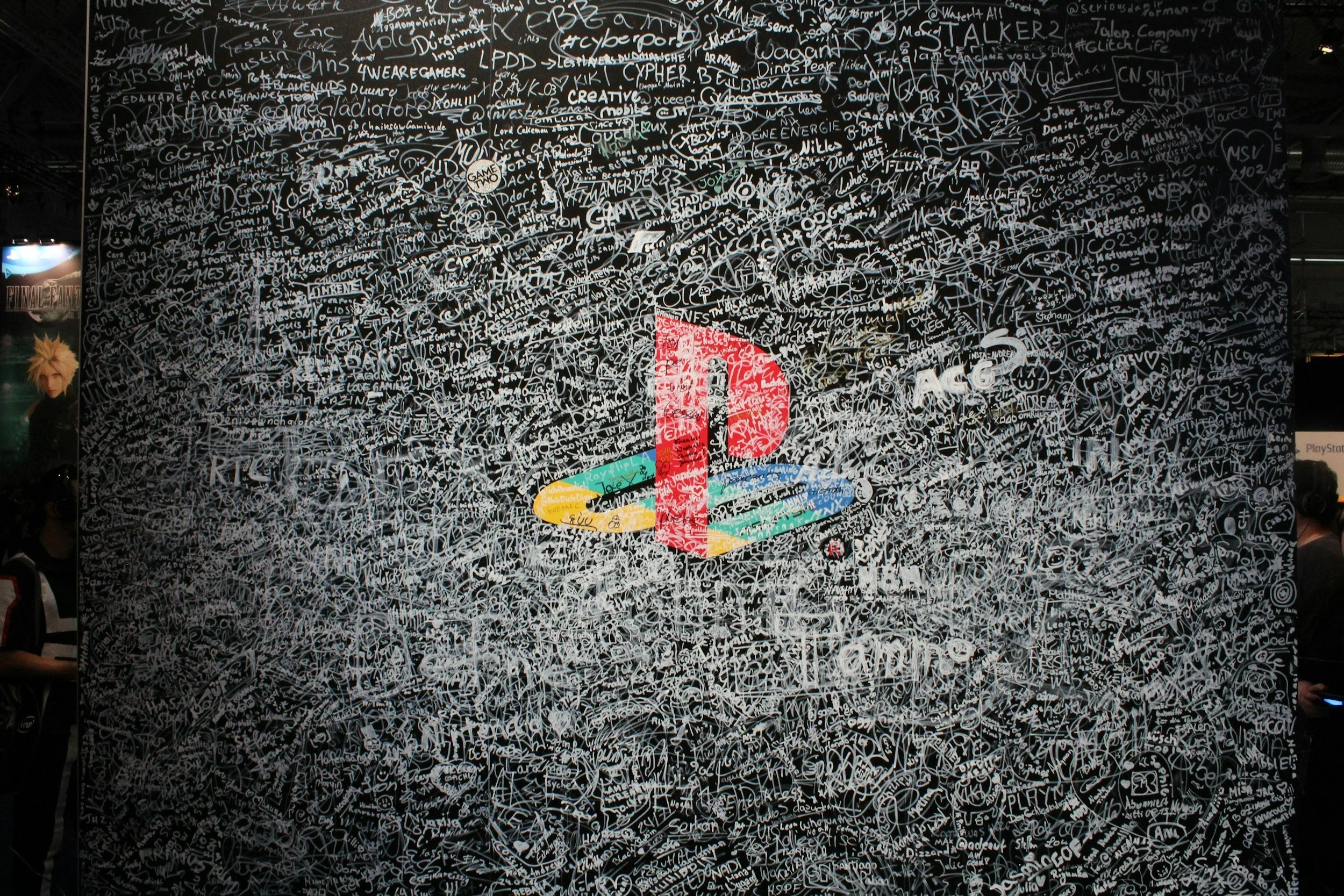
Here's the take that surprises people: nobody loses more from a weakened Xbox than PlayStation.
Xbox going multi-platform has quietly transformed Microsoft's studio lineup into a premium content pipeline for Sony. Indiana Jones. Doom. Forza on the horizon. PlayStation gets the games without having to compete for them. That sounds like a win, until you remember that competitive pressure is what historically forced Sony to be its best self.
The PS3 era was defined by arrogance and overpricing. Xbox 360's dominance is a meaningful part of why PS4 became what it became. Remove that pressure, and Sony's incentive to innovate on pricing, quality, and service quietly diminishes.
The gaming industry needs Xbox to be a real competitor. Not a charity case, not a content publisher, but a genuine platform challenger with conviction about why it exists.
Sharma's three pillars, great games, return of Xbox, and future of play, are the right words. "Returning to Xbox's founding spirit of surprise, rebellion, and fun" is exactly the right framing. I want to believe it. But brand credibility is built slowly and lost fast, and right now, the founding co-founder of Xbox is publicly describing the new CEO's job as palliative care. That's the perception she's walking into, and no amount of good strategy language closes that gap quickly.
This doesn't have to end badly. But the window is shorter than anyone at Microsoft seems willing to admit.
Here's the rewrite:
What Comes Next
Watch the full conversation on Xbox’s leadership reset, AI alignment, and the strategic fork in the road for Microsoft Gaming.
I'm not calling this over. But I'm not feeling optimistic either, and I think honesty about why matters more than false balance.
The structural headwinds are real. Xbox represents 8% of Microsoft's revenue. Shareholders want an AI narrative. Satya wants synergy. And Sharma, whatever her intentions, is almost certainly treating this role as a chapter in a larger career story, one that ends with her running a publicly traded company of her own. That's not a criticism. Apex predators think that way. But it means her definition of a "win" here and gaming's definition of a win are not automatically the same thing.
The version of this that works requires her to do something genuinely difficult: empower Booty with real authority, resist the pressure to turn Xbox into an AI showcase, and protect studios long enough to let them ship something great. The role requires actual sustained commitment, quarter after quarter, when Microsoft's other priorities are screaming louder.
That's the job. Whether she's been given the mandate or the runway, to do it is something only the next 18 months will answer.
Xbox was built on the idea that a challenger could take on an entrenched giant and win on sheer creativity and conviction. It did it once. The hardware, the studios, the franchises — the foundation is still there. What's missing is belief. From the industry, from players, and honestly, from inside those studio walls right now.
Sharma and Booty have a chance to rebuild it. I hope they do. The industry is worse without a real Xbox in it.