Gaming Lost Another VC. Don't Be Surprised
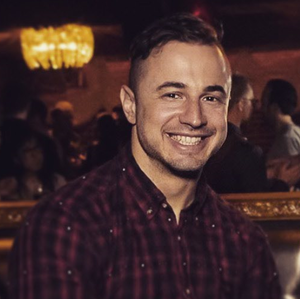
Sometimes the thing that pulls you away from a good path is simply a bigger one. These are my learnings from conversations with my friend, Joakim Achren, a successful gaming founder, who became an investor and is now a builder once again.
If you ask me, Joakim Achren did the founder-turned-investor playbook perfectly. Founded two game companies. Failed once, succeeded once. Next Games got acquired by Netflix. He became a content creator with Elite Game Developers, built an angel syndicate, made ~50 investments, worked as a venture partner, then launched his own fund with another gaming founder.
I watched it happen from the side and thought: unstoppable. Surely this is the Harry Stebbings path within gaming. Content builds access, access builds deal flow, and deal flow builds a fund. Clean.
Six years later, Joakim stepped away from the fund he had started. Not because the model wasn't working. After six years of building LP relationships, sharpening his investment thesis, and developing his craft as a GP (general partner), things were starting to click. But then AI hit. The same instinct that pulled him into Facebook gaming and then mobile fired again, harder than before. When a builder sees a platform shift this large, investing in it isn't enough. You have to be in it.
When we sat down for the podcast, Joakim laid it out with the kind of precision you only get from someone who's lived through it.
1. What the job of a VC actually looks like
Joakim built world-class founder relationships and strong co-investor networks. His authentic writing on Elite Game Developers resonated with founders around the world. He didn’t sugarcoat anything. And provided valuable frameworks and tools for founders to use.
The piece he might have underestimated was how central LP (limited partner) relationships are to the whole machine. The people and organizations who fund the fund are, in the end, your real customers. Not the founders.
A senior VC told him this at Slush in 2019. The advice was simple: think carefully about whether you're building for founders or for capital allocators, because in venture, you work for LPs.
The insight isn't that founder experience doesn't matter. It does. But it's table stakes. The differentiator is whether LPs know you, trust you, and pick up when you call. That relationship ought to be built years before you raise your first fund. Not during.
With a contact list of 400 potential LPs, Joakim got the job done with his partner. The fund is up and running. Finding and funding successful startups. But the realization of how much time it takes to build strong LP relationships remained.
2. Founder background is important, but not sufficient
It sounds counterintuitive. Founders should make great VCs, right? They understand the struggle, they can spot real operators, and they know what early traction looks like.
All true. But the job of a general partner (GP) is fundamentally different from the job of a founder. More than 50% of your time goes to fundraising for the next fund. You're managing LP expectations, navigating co-investor dynamics, and competing for allocation.
On top of it all, a micro fund with two GPs means you’re splitting a 2% fee on $10M or less. That’s $200k for all operations with base fees alone taking 30%, before salaries, travel fees, etc. In practice, it means you're bootstrapping. You're handing out checks to founders who badly need one while running your own operation on startup economics.
Joakim is characteristically honest about this. The work with founders was the best part. Helping portfolio companies raise their next round, making introductions, and being a sounding board during rough patches. That's where his builder instinct came alive.
The LP side demanded a different kind of energy. And Joakim recognized that he would rather put all his energy in building with AI rather than building vital LP relationships.
3. Timing has to work on both sides
Gaming post-pandemic is a tough sell for investors. LPs had already allocated to some 40+ gaming funds that spun up during COVID. Returns are still playing out, and appetite for new gaming exposure cooled significantly by the time Joakim started raising.
The video game market report by Aream and InvestGame shows that investors have all but abandoned gaming. It’s not because gaming is broken. It’s because the exit multiples are not large enough to justify venture capital.
On the founder side, the pipeline was there. Great teams were still building. So were the valuations, significantly down from just a few years ago. But without LP appetite for the sector, access to founders doesn't convert into a fund.
Joakim gradually moved into consumer tech. It was a natural direction, but it also brought tougher competition and a less obvious edge at first. That edge was found over time.
The lesson: pick a sector where LPs are actively looking to deploy, and founders are actively looking for capital. Sounds obvious. Surprisingly few first-time GPs pressure-test both sides before committing.
Why AI pulled the builder away from venture capital
Joakim's next chapter says as much about him as the VC chapter. AI pulled him back to the terminal. He saw the same platform shift he'd seen with Facebook gaming and mobile, except larger. His instinct wasn't to invest. It was to build.
He's now using AI as a one-person publishing stack for his second book. A book about sleep, of all things. Born from his own burnout after leaving Next Games in 2019, two years of systematic tracking and experimentation, written for entrepreneurs who lie awake at 3 AM with a racing mind and don't need another expert telling them they should be sleeping nine hours.
Joakim did the most founder thing possible. Hetook a personal problem, systematized a solution, then shipped a product.
The VC years gave Joakim something most founders never get. A full view of how the capital side works, what it rewards, and where his own energy belongs. He came out sharper, not smaller.
Joakim's new book available now.