Hiring as a Competitive Advantage
Insights from a podcast conversation with Joe Burridge (Head of Talent, Play Ventures) and Miki Blasko (Head of Talent, Deconstructor of Fun).
The hard thing about hiring for startups is that you have to make life-changing decisions about people with shockingly little information, serious financial constraints, and massive urgency.
And the hard thing about being a founder is realizing that the wrong hire doesn't just slow you down. It becomes your culture. For better or for worse.
Those are my experiences from being a founder. But what do I know?
That is why I asked two of my favorite recruitment professionals, Joe Burridge (Play Ventures) and Miki Blasko (Deconstructor of Fun), to join me on the podcast and educate me on how a startup can turn hiring from a bottleneck to a competitive advantage.
1. The Biggest Misconception: It's Easy
Most founders think hiring is straightforward. Money came in from the VCs, make some noise with press releases, throw up job ads, and wait for the talent to roll in. This is the fatal mistake.
What founders underestimate:
The selling required: Especially for senior talent, you need to sell harder than you did to investors. You often have to articulate why someone should take a pay cut to join your chaos.
Time investment: The best hires don't materialize overnight. CEOs must dedicate serious hours to the process, not delegate it away. It’s not rare at all to engage in months of courting before finally closing the key candidate.
Talent density: A couple of sub-par hires done in haste, and your company is not attracting the best talent anymore.
How to actually win A-players without matching compensation:
Top talent leaves prominent companies like Google and Meta for startups constantly, often for less money. Why? Mission clarity, long-term incentive (equity and career acceleration), decision velocity, and the chance to build rather than navigate bureaucracy. Lean into this. Be explicit: "We won't pay you a Google salary because we literally don't have the money. But here's what will be massively beneficial to you."
Miki's secret weapon: Bring in your lead VC to explain to finalist candidates why they invested and where they see the company going. It's powerful proof of commitment and provides a perspective that founders can't deliver themselves. It’s often also the first time candidates are interacting with a VC.
Culture vs. Competence
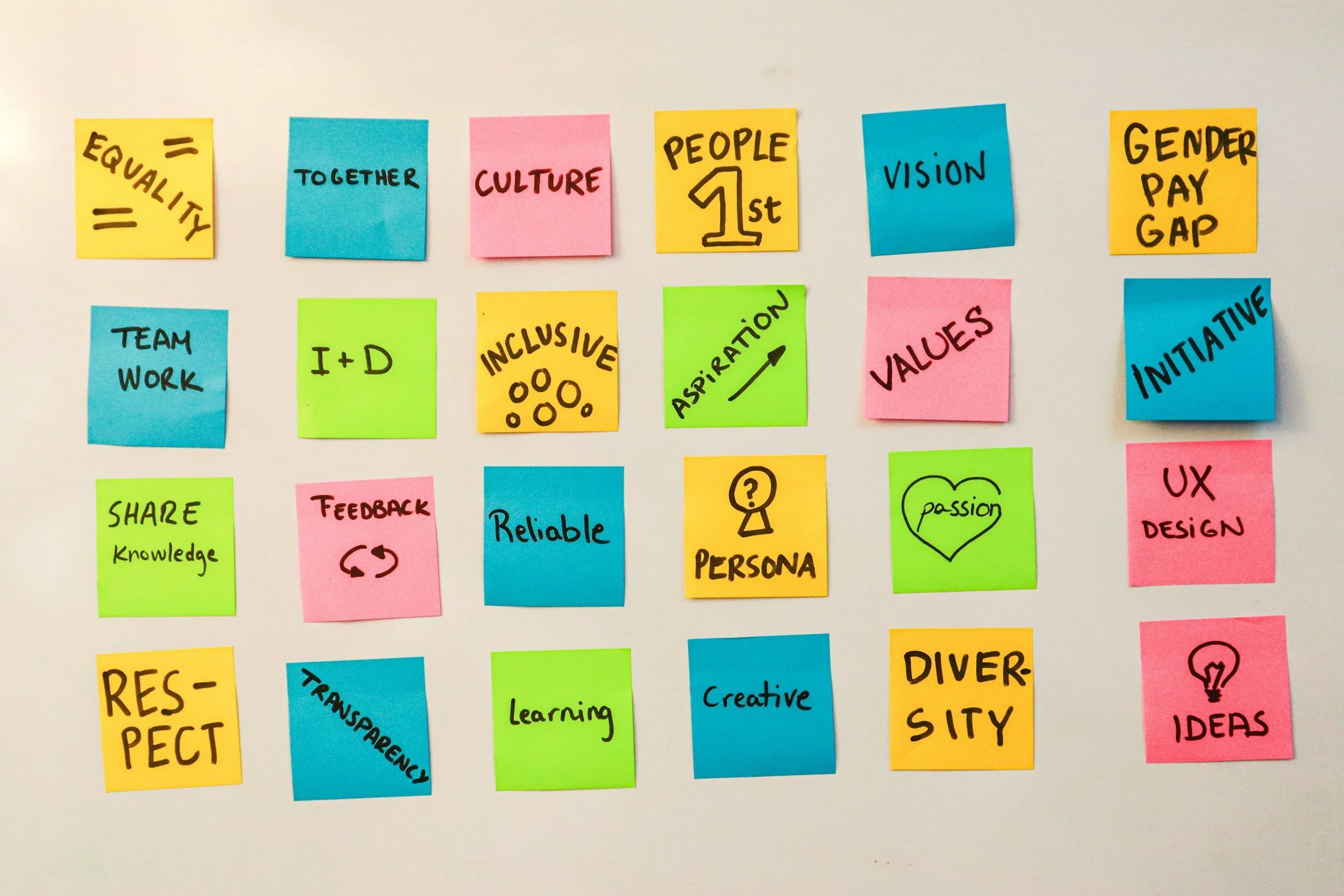
Joe would choose culture fit over competence.
Why? Because every hire, especially early on, has the potential to change your culture. The "talented asshole" destroys early-stage companies. Better to have high cultural alignment with lower competencies that can be developed than the inverse.
Operationally mature people know which stage of company growth they thrive in. The best conversations end with: "I love this, but my skillset is Series B onwards. Come back to me then."
Miki's picks competence first, but defined as the ability to get things done, not just experience.
In the first 10 people with limited runway, you need people who can execute immediately. Culture fit comes after, within reasonable boundaries. Draw hard lines (no assholes), but accept variance within those boundaries as long as people can do their jobs.
The synthesis: Don't choose between culture and competence; both must exist within boundaries. But if you must compromise, understand the stage. Pre-PMF (product-market fit)? Lean competence to survive. Post-PMF? Lean culture to scale sustainably.
Critical framework: Instead of abstract "culture fit," deconstruct how your company makes decisions, communicates, and ships product. Write down 3-5 core values you can consistently assess in every interview. Make sure everyone involved in hiring knows what "good" and "bad" look like.
Hiring or looking for your next challenge? Deconstructor of Talent has a team of headhunters. Let us help.
3. The Startup Hire vs. The Corporate Refugee
Red flag: Candidates who have been in corporations their whole life and are now considering startups because of necessity (layoffs). Desperation doesn't equal adaptation.
Green flags to look for:
Visible frustration with their current role: "I wish I could do this, it should be done this way, I've had these ideas, but it takes ages to get an answer." This frustration with decision-making paralysis is gold.
Bias for action: Have they been proactive? Opportunistic? Do they have stories of resilience and bashing through walls?
R&D team experience: Even large companies have small, scrappy teams shipping from ideation to launch. Find people who gravitate toward these projects.
Hands-on skills they maintain: The CTO who still codes on weekends hasn't been completely indoctrinated by the corporate machine.
The critical interview question: "How did you do it?"
When someone presents impressive work from a big company, dig into the execution. How many people? What budget? What was your actual role? You'll quickly discover if they coordinated a million-dollar creative agency budget or if they built something nimble with five people and scrappy resourcefulness.
A UA director who "manages a lead who manages the person pushing buttons" is not what you need. You need the button pusher.
Miki's insight: Companies that fish outside their own industry's startup pond have a massive advantage. Higher risk, but exceptional talent that their competition is competing for.
4. Why Founders Can't Keep Strong Talent

The number one reason A-players quit: Being surrounded by B and C players.
The smartest people want to work with the smartest people. If you can't identify underperformers and make tough decisions, your best people will make the decision for you by leaving.
Founders who struggle lack:
Performance management capabilities: No system to identify top performers, mid-performers, and underperformers. When you can't measure it, you can't manage it.
Decisiveness on bad fits: Both the "talented asshole" (high skill, low culture) and the "cultural hire" (high culture, low skill) will drive away your actual A-players.
Structured process: No clear onboarding, no defined roles, random interviews with no purpose. This chaos repels the best talent.
The input-output framework: Great performers require low input (minimal hand-holding) with high output. Some people need three one-on-ones per week just to stay functional, even if they deliver. That's unsustainable at the early stage. Save high-input bets for when you have the critical mass to support them.
Important note: It's okay for early employees to eventually not fit as the company scales. Amazing at 0 to 1 stage doesn't mean amazing at 1 to 1000. This includes the founders themselves.
5. Success Patterns vs. Implosion Patterns
Patterns that correlate with success:
Treating hiring like product discovery: Define the problem, create a hypothesis (job description), test it in the market, iterate based on feedback. Your initial hypothesis is almost always wrong. Second and third-time founders understand this and spend 50% more time in the process.
Structured but fast process: Speed is your advantage over Big Corps. But speed doesn't mean cutting corners. It means that everyone in the hiring process knows the steps and their role in the assessment.
Single decision maker: Hiring is not a democracy. Gather all data points and feedback, but one person makes the call (usually the CEO or hiring manager). This allows you to hire someone even if the majority voted no. Which sometimes is the right call.
Bringing in the right people at the right stage: For complex roles, involve advisors or board members strategically. But be aware of biases. Your IC (individual contributor) engineers will want another IC, not a strategic CTO.
Philosophical Musing: The Unbearable Humanness of Building
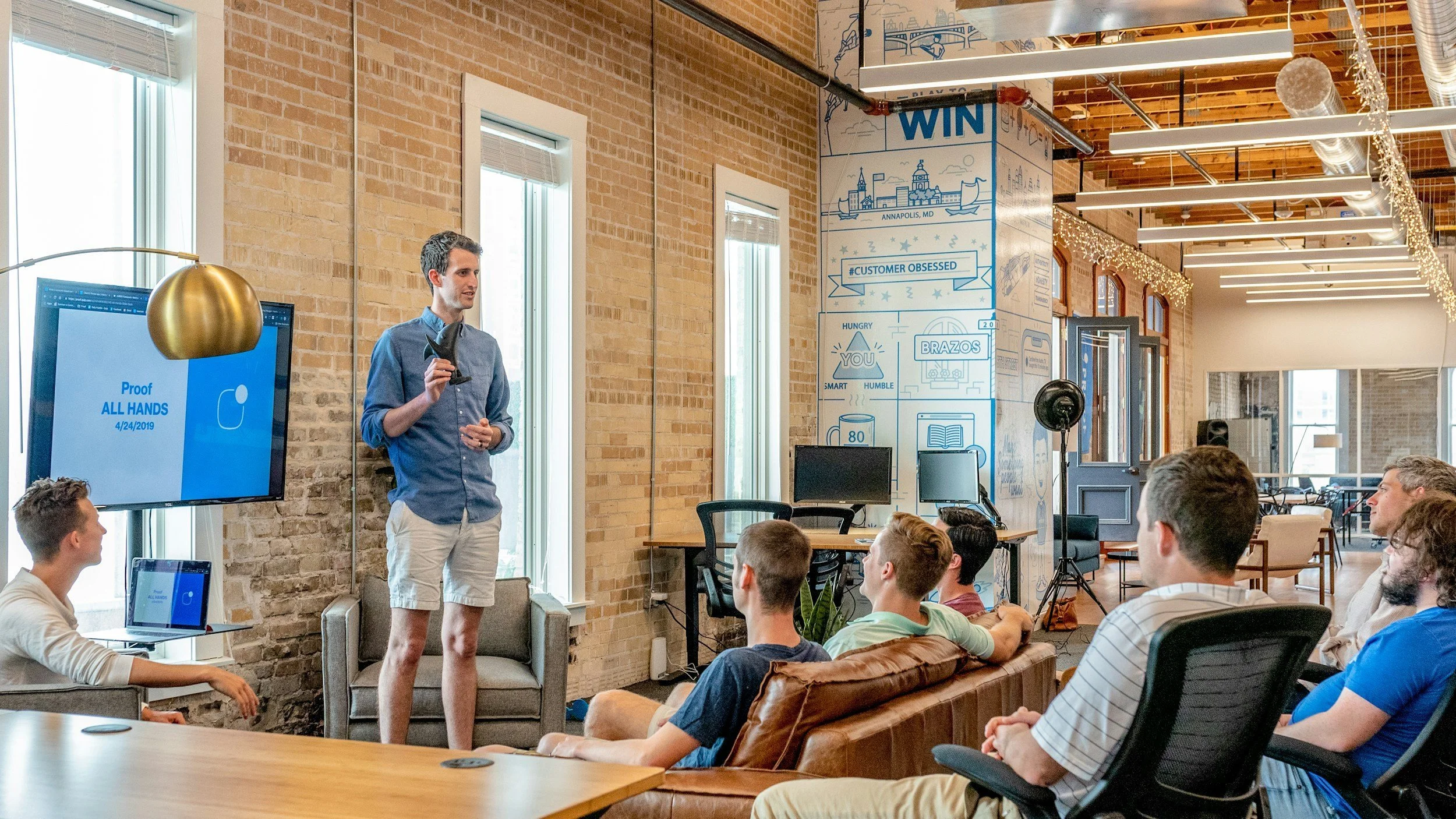
Founders love to talk strategy, product, AI, and markets. But here's the uncomfortable truth: your company becomes the people you choose to bet on.
Hiring isn't a checklist. It's not about finding resumes that match a template or conducting the perfect behavioral interview. It's about transmitting your madness, your standards, your ambitions into other human beings and somehow turning it all into something real.
The best founders understand this paradox: you need people who are simultaneously just like you (values, drive, mission belief) and nothing like you (complementary skills, different perspectives, operational maturity you lack). You need people who will follow you into the chaos and people who will tell you when the chaos is just chaos.
You need to move fast but not carelessly. Be structured but not rigid. Trust your instincts, but validate them with data. Hire for culture but not at the expense of competence. Hire for competence but not at the expense of culture.
And perhaps most importantly: you need to accept that you will make mistakes and learn how to correct them fast.
P.S.: If any of the topics in this podcast are keeping you up at night, reach out to Kohort to access their machine learning analytics platform. It solves the tricky data science behind optimisation targets, new segment launches, and organics, so you can focus on growing your app.
This is not a paid ad. I just know the folks at the company have clients who used the platform and like them a lot.